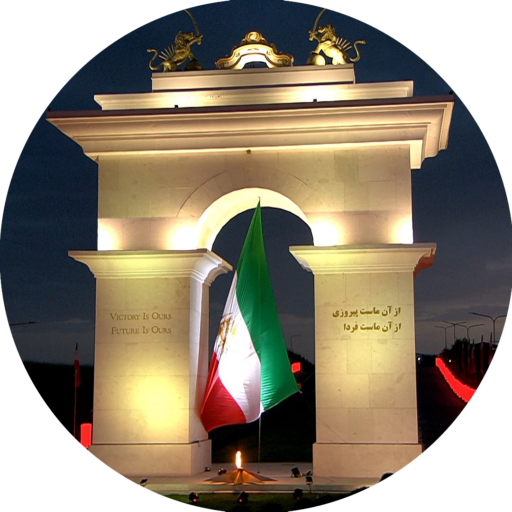


A section of the Iranian Resistance Museum is dedicated to the 120,000 martyrs of freedom—many of whom remain unnamed, executed in mass killings, and buried in unmarked graves.
Since 1981, the Iranian Resistance has sacrificed over 120,000 martyrs, marking a proud chapter in the history of its struggle. These martyrs, primarily members and supporters of the People’s Mojahedin Organization of Iran (PMOI/MEK), symbolize resilience and defiance against the oppression and tyranny of the ruling regime in Iran.
On June 20, 1981, a peaceful demonstration with a massive presence of PMOI supporters took place in Tehran, protesting the suppression of freedoms. However, the government forces violently cracked down on the protesters. Acting on a direct order from Khomeini, which was broadcast on the radio, security forces opened fire on the demonstrators, revealing the regime’s brutal nature and its willingness to commit any crime to maintain power.
Following the June 20 protest, the regime launched a widespread wave of executions against PMOI members and supporters. Thousands were arrested across the country and executed without trial. The regime even showed no mercy to women and young girls. For instance, on the day after the demonstration, the state-run Kayhan newspaper published photos of several young female PMOI supporters who had been arrested, announcing that their families should visit the prosecutor’s office with their identification documents. In other words, the regime had executed young girls who were arrested simply for distributing PMOI newspapers in the streets, without even knowing their names.
In the summer of 1988, the clerical regime committed one of the most horrifying crimes in Iran’s modern history. Over several months, around 30,000 political prisoners—most of them PMOI members and supporters—were mass-executed in prisons across the country. This massacre, carried out based on a direct fatwa from the regime’s then-leader, Ruhollah Khomeini, demonstrated the regime’s extreme brutality in crushing dissent.
In addition to mass executions, a significant number of PMOI members and supporters lost their lives in various operations inside the country and along the borders. These individuals, driven by their belief in freedom and justice, stood against the regime’s oppressive forces and sacrificed their lives for a brighter future for Iran.
The suppression and execution of dissidents in Iran were not limited to the 1980s. The clerical regime has continued its systematic repression in the following decades. Reports indicate that during protests and uprisings in 2017, 2019, and 2022, a significant number of Iranian youth were killed by the regime’s oppressive forces.
Among the martyrs of the Iranian Resistance, courageous women have played a significant role. Many stood firm against the regime with bravery and resilience, sacrificing their lives for freedom. While the execution and killing of women by the clerical regime expose its cruelty, they also represent a golden chapter in the history of Iranian women’s struggle against oppression, discrimination, and inequality. These women gave up everything for the freedom of the Iranian people, never surrendering even in the harshest conditions, keeping the torch of freedom burning with their sacrifices.
The martyrs of the Iranian Resistance have proven that the ideals of freedom and justice are worth standing and sacrificing for. With their blood, they have nurtured the tree of resistance and paved the way for future generations. The memory of these heroes remains alive in Iran’s history, serving as an inspiration for future struggles toward freedom and democracy.