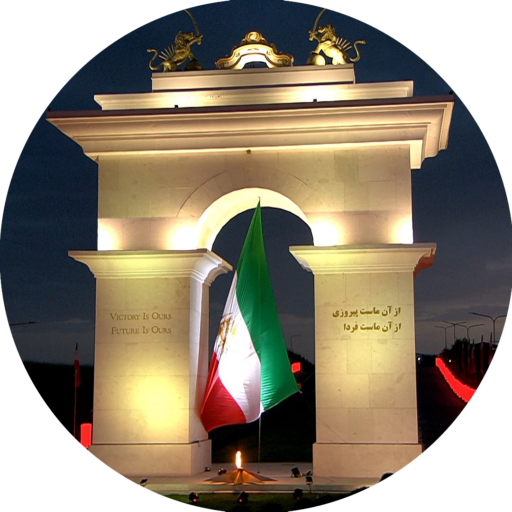

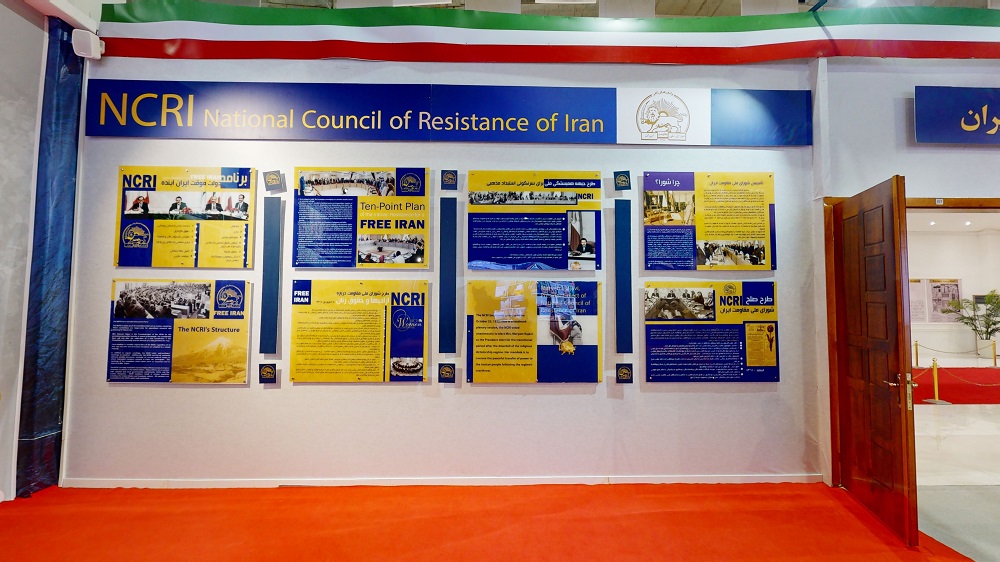
In the Museum of Iranian Resistance, a dedicated section introduces the National Council of Resistance of Iran (NCRI). This museum also features a special section showcasing the council’s international activities.
The NCRI was founded on July 21, 1981, in Tehran by Massoud Rajavi, then-leader of the People’s Mojahedin Organization of Iran (PMOI/MEK). It is regarded as the most powerful political coalition opposing the clerical regime and has relentlessly fought against religious dictatorship since its inception. The NCRI is also the longest-standing political coalition in Iran’s history, having led over four decades of resistance since 1981.
Ten days after its establishment, Massoud Rajavi traveled to Paris as the head of the council, expanding its international efforts. The NCRI serves as the parliament-in-exile for the Iranian people and includes members from various ethnic groups and social classes. The council firmly upholds the principle of rejecting both monarchy and religious rule (“Neither Shah nor Sheikh”) and is committed to values such as:
- Freedom and democracy
- Gender equality
- Autonomy for ethnic minorities
- Human rights
- Public participation in governance
- Social and economic justice
- National solidarity
The council’s primary goal is the transfer of sovereignty to the Iranian people.
Key NCRI Plans and Resolutions for Iran’s Future
Throughout its history, the NCRI has adopted numerous plans and policies, including:
Plan for the Autonomy of Iranian Kurdistan (1983): In 1983, the council passed a 12-article resolution outlining autonomy for Iranian Kurdistan, making it one of the most comprehensive models worldwide.
Separation of Religion and State (November 1985): The NCRI approved a resolution emphasizing the separation of religion from governance, rejecting all forms of religious coercion and discrimination.
Women’s Rights and Freedoms (1987): In 1987, the NCRI adopted a plan to eliminate discrimination against women and ensure equal rights, which has inspired Iranian women’s struggle for freedom and equality.
Adoption of the NCRI Emblem & Leadership
In 1993, at Massoud Rajavi’s proposal, the Lion and Sun emblem was officially adopted as the NCRI’s symbol, displayed on Iran’s tricolor flag. In the same year, Maryam Rajavi was elected as the NCRI’s President-elect, tasked with leading the transition of sovereignty to the Iranian people.
The NCRI remains steadfast in rejecting the entire Velayat-e Faqih system—including all its factions—and is dedicated to establishing a democratic, independent, and secular political system. As a people’s alternative, the NCRI represents the Iranian nation’s will for freedom and democracy and embodies a century of Iran’s political struggle.