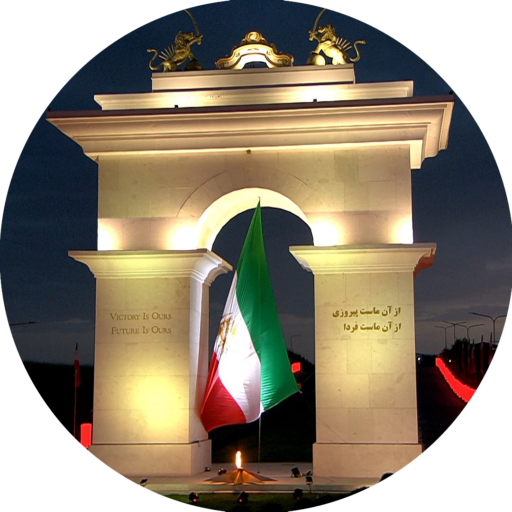

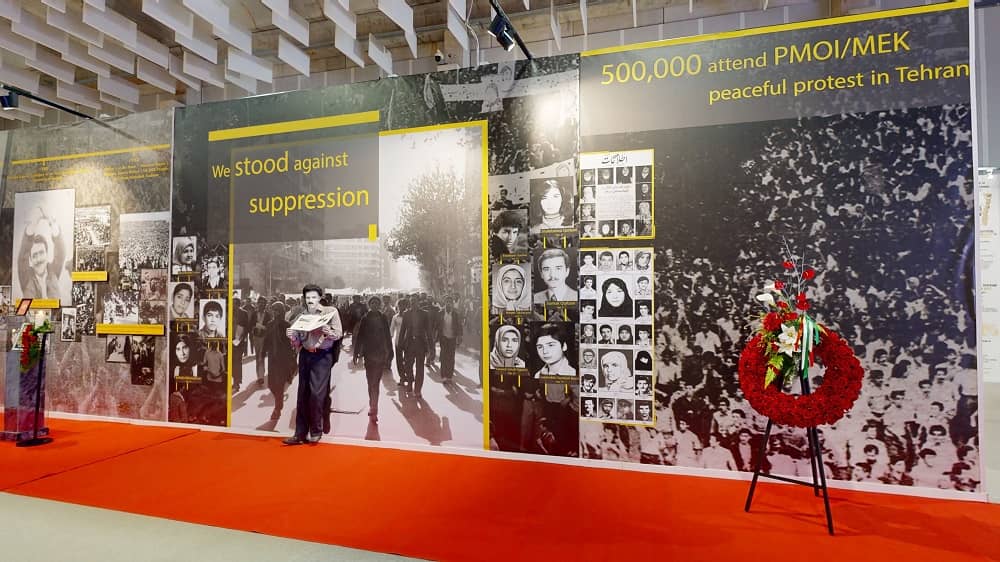
The June 20, 1981, demonstration is one of the most significant events in Iran’s contemporary history, deeply impacting the country’s political and social developments. A section named “June 20” exists in the Iran Resistance Museum to commemorate this event.
On this day, the People’s Mojahedin Organization of Iran (PMOI/MEK), after two and a half years of peaceful political activity, called for a nationwide demonstration in protest against the suppression of freedoms by the ruling government. In response to this call, approximately 500,000 people took to the streets of Tehran.
The demonstration took place under the rule of the Islamic Republic, led by Khomeini, which tolerated no opposition. During the peaceful protests of June 20, dozens of people in Tehran and other cities were killed by government forces, and tens of thousands were arrested and sent to prisons. A significant number of women also participated in the protests, playing a crucial role; many of them were killed, arrested, or executed.
The demonstration began at 4 p.m. on Mossadegh Street between Enghelab and Taleghani Streets, with a massive crowd marching forward. This event marked a turning point in Iran’s modern history, occurring just two and a half years after the revolution that overthrew the monarchy, highlighting widespread dissatisfaction with the new regime.
The sheer number of demonstrators—estimated in the millions—alarmed the ruling authorities, particularly Khomeini, who sought to suppress the movement by any means necessary. As a result, he declared martial law and ordered an attack on unarmed demonstrators, leading to the deaths of dozens of young protesters and the arrests of tens of thousands in Tehran and other cities.
This protest spread across multiple cities, including Tehran, Isfahan, Tabriz, Shiraz, Mashhad, Ahvaz, Arak, Zahedan, Sari, Sanandaj, Hamedan, Bandar Abbas, and Urmia. Eyewitnesses reported a massive turnout and violent crackdowns by government forces. Photographs from that day show a vast crowd holding placards and chanting slogans in support of freedom and democracy—powerful testimony to the determination of a people demanding change and reform.
The day after the June 20 demonstration, the clerical regime launched a widespread crackdown, arresting and executing MEK supporters in large numbers. State media published images of young girls, announcing that they had been executed without their identities being verified, and called on their families to collect their bodies by presenting identification documents.
Thus began the 1980s massacre, as the clerical regime engaged in mass executions in an attempt to eliminate its primary opposition—the People’s Mojahedin Organization of Iran.
The June 20, 1981, demonstration remains a symbol of resistance against oppression and dictatorship, serving as a reminder of the importance of striving for freedom and justice in society.