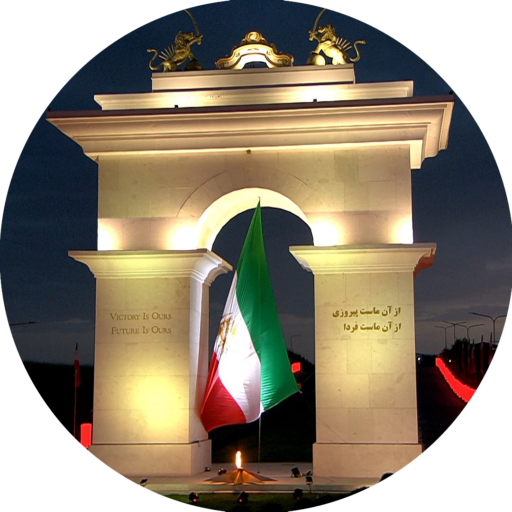

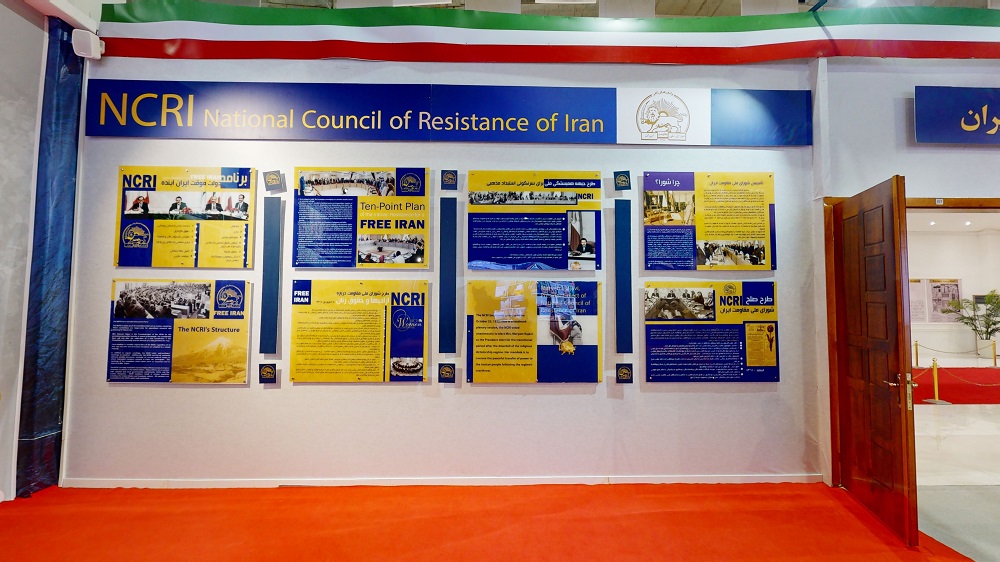
In the Museum of Iranian Resistance, a dedicated section introduces the National Council of Resistance of Iran (NCRI). This museum also features a special section showcasing the council’s international activities. The NCRI was founded on July 21, 1981, in Tehran by Massoud Rajavi, then-leader of the People’s Mojahedin Organization of Iran (PMOI/MEK). It is regarded as the most powerful political coalition opposing the clerical regime and has relentlessly fought against religious dictatorship since its inception. The NCRI is also the longest-standing political coalition in Iran’s history, having led over four decades of resistance since 1981. Ten days after its establishment, Massoud Rajavi traveled to Paris as the head of the council, expanding its international efforts. The NCRI serves as the parliament-in-exile for the Iranian people and includes members from various ethnic groups and social classes. The council firmly upholds the principle of rejecting both monarchy and religious rule (“Neither Shah nor Sheikh”) and is committed to values such as: Freedom and democracy Gender equality Autonomy for ethnic minorities Human rights Public participation in governance Social and economic justice National solidarity The council’s primary goal is the transfer of sovereignty to the Iranian people. Key NCRI Plans and Resolutions for Iran’s Future Throughout its history, the NCRI has adopted numerous plans and policies, including: Plan for the Autonomy of Iranian Kurdistan (1983): In 1983, the council passed a 12-article resolution outlining autonomy for Iranian Kurdistan, making it one of the most comprehensive models worldwide. Separation of Religion and State (November 1985): The NCRI approved a resolution emphasizing the separation of religion from governance, rejecting all forms of religious coercion and discrimination. Women’s Rights and Freedoms (1987): In 1987, the NCRI adopted a plan to eliminate discrimination against women and ensure equal rights, which has inspired Iranian women’s struggle for freedom and equality. Adoption of the NCRI Emblem & Leadership In 1993, at Massoud Rajavi’s proposal, the Lion and Sun emblem was officially adopted as the NCRI’s symbol, displayed on Iran’s tricolor flag. In the same year, Maryam Rajavi was elected as the NCRI’s President-elect, tasked with leading the transition of sovereignty to the Iranian people. The NCRI remains steadfast in rejecting the entire Velayat-e Faqih system—including all its factions—and is dedicated to establishing a democratic, independent, and secular political system. As a people’s alternative, the NCRI represents the Iranian nation’s will for freedom and democracy and embodies a century of Iran’s political struggle.
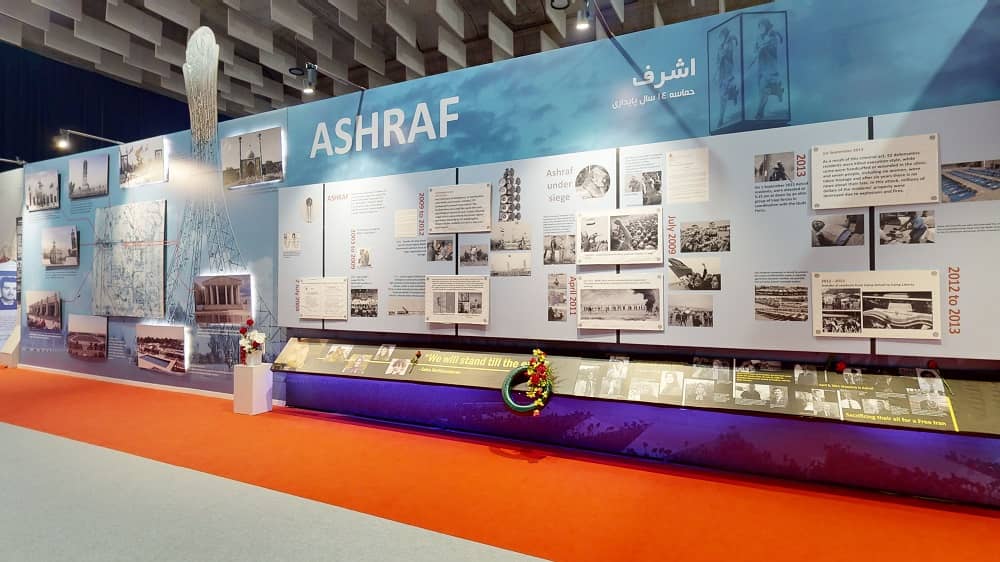
Exhibit of Ashraf in the Iran Resistance Museum
A section of the Iran Resistance Museum is dedicated to Ashraf 1, showcasing images and scenes from Ashraf City and the heroic events that took place there. Among these are photographs of the 52 martyrs who lost their lives in the September 1, 2013, massacre, as well as scenes from the historic battles of July 28-29, 1999, and April 8, 2011, which have been immortalized in the museum. Establishment of Ashraf Ashraf 1, located north of Khalis in Diyala Province, Iraq, approximately 80 kilometers from the Iranian border, served as the residence of thousands of members and supporters of the People’s Mojahedin Organization of Iran (PMOI/MEK) for over 25 years. Camp Ashraf was established in 1986 after the leadership of the PMOI relocated from France to Iraq. Initially, it was barren land with only a few buildings and limited infrastructure. However, over 25 years, its residents transformed it into a modern city, the primary base of the PMOI in Iraq, complete with roads, buildings, educational facilities, assembly halls, and sports fields. Naming of Ashraf Also known as “Ashraf City,” the camp was named after Ashraf Rajavi, a well-known political prisoner under the Shah’s regime. Ashraf Rajavi was released from the Shah’s prisons in 1979 alongside the last group of political prisoners and was later was killed by the Iranian regime on February 8, 1982. Interaction with the Local Community Ashraf residents maintained excellent relations with the people of nearby cities and villages in Diyala Province. They built a water purification plant that provided drinking water to tens of thousands of local residents, and Ashraf’s medical clinics offered healthcare services to the surrounding population. Ashraf and the 2003 Iraq War In 2003, despite the PMOI’s declared neutrality in the U.S.-Iraq war, Camp Ashraf and PMOI camps were repeatedly bombed by coalition forces as part of a deal with the Iranian regime. However, after intense negotiations between the leadership of the National Liberation Army of Iran (NLA) and U.S. military officials, including General Raymond Odierno, commander of the U.S. 4th Infantry Division, an agreement was signed. Following two days of negotiations, General Odierno told Agence France-Presse (AFP): “This is not a surrender; it is an agreement for disarmament and the regrouping of fighters… It is clear to me that they are passionate about their struggle and believe in a democratic Iran. Perhaps I didn’t fully understand this when the negotiations began.” After this agreement, PMOI members remained in Ashraf 1 while maintaining the structure of the National Liberation Army. In July 2004, the U.S. government granted Ashraf residents protection under the Fourth Geneva Convention. Siege and Attacks on Ashraf After U.S. forces withdrew from Iraq in 2008, the Iraqi government, acting on behalf of the Iranian regime, imposed a medical, logistical, and food blockade on Ashraf. The goal was to eliminate the PMOI, which had openly declared its objective of overthrowing the Iranian regime since 1981. The first major attack on Ashraf occurred on July 28-29, 2009, when Iraqi forces launched a brutal assault on its residents. A second major attack followed on April 8, 2011. Eventually, under a tripartite agreement with the United Nations and the Iraqi government, Ashraf residents were transferred between February and August 2012 to Camp Liberty, near Baghdad International Airport. From there, after nearly four years, they were relocated to Albania. While PMOI members were still in Camp Liberty, a third attack was carried out on the remaining residents of Ashraf, leading to the September 1, 2013, massacre. This attack resulted in the execution of 52 residents and the abduction of seven others, including six women. The assault was carried out by Iraqi special forces under the orders of then-Prime Minister Nouri al-Maliki. Despite international condemnation, no investigation was conducted, and the perpetrators were never held accountable. Ashraf as a Global Symbol of Resistance The resilience of Ashraf’s residents in the face of repeated attacks, along with their images resisting with bare hands against armed forces, turned Ashraf into a global issue. The political activities of PMOI members and supporters in Europe and the U.S., led by Maryam Rajavi, posed a challenge for many governments, including the United States, while also garnering support from tens of thousands of Iranians in exile, thousands of parliamentarians, and political figures worldwide. As a result, the name “Ashraf” became a powerful symbol in the resistance culture of the PMOI and its supporters worldwide—an ideological, emotional, and strategic model that continues to inspire the Iranian opposition. Following the September 1, 2013, massacre, the PMOI adopted a new strategy based on this model, calling for the establishment of “A Thousand Ashrafs” inside Iran through resistance units dedicated to overthrowing the Iranian regime.
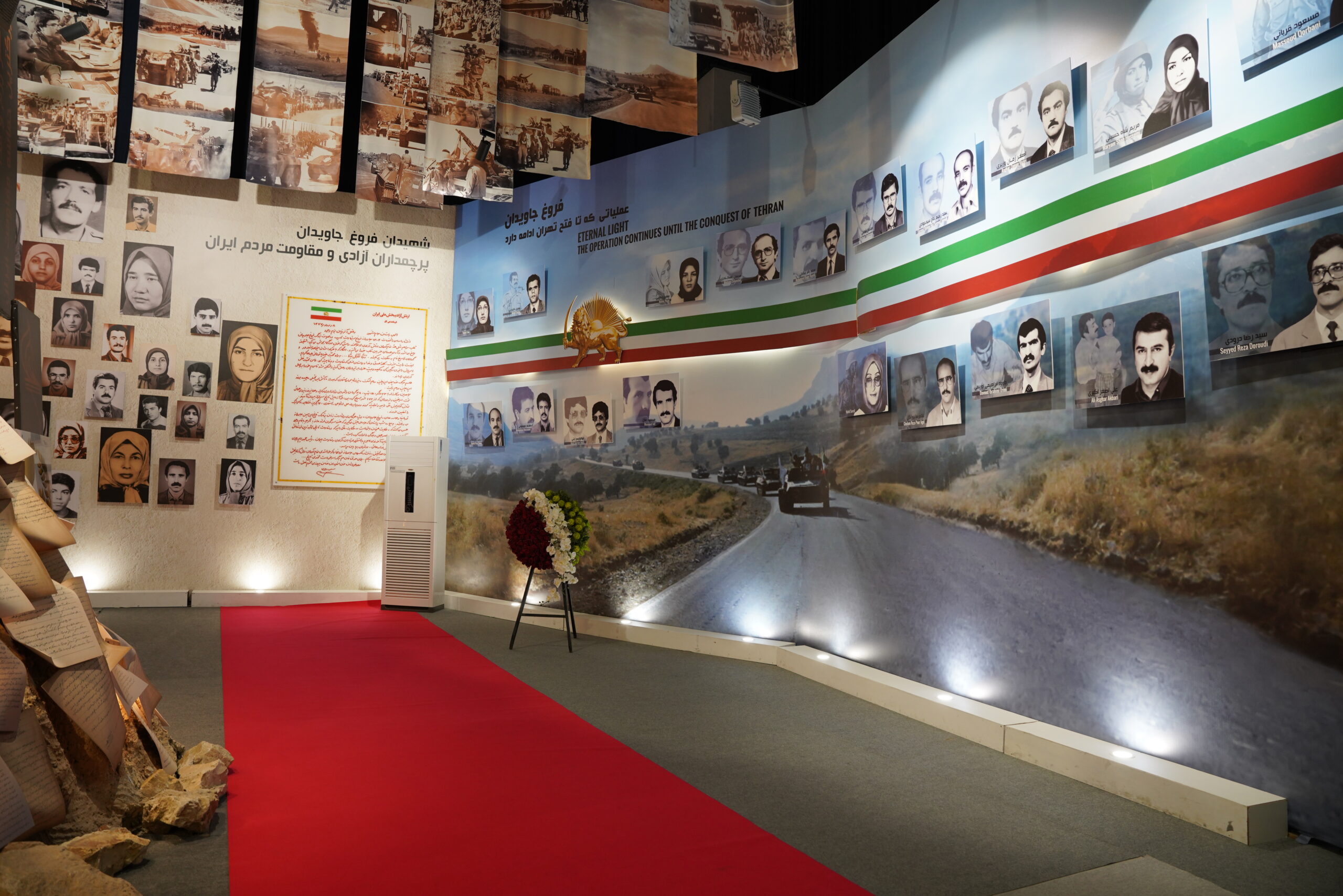
Eternal Light Operation
A section of the Iranian Resistance Museum in Ashraf 3 is dedicated to the great Eternal Light Operation. This section introduces visitors to the heroes who created a historic national epic in the Iranian Resistance. The Eternal Light Operation, launched on July 25, 1988, coinciding with Eid al-Adha, was one of the largest military operations of the National Liberation Army of Iran (NLA) and a turning point in the struggle of the Iranian people against the ruling clerical regime. The operation was designed to overthrow the regime and advance toward Tehran, marking it as a historic national and ideological epic in the annals of Iranian resistance. Background of the Operation A week before the operation, Ruhollah Khomeini, fearing the imminent downfall of his regime following the liberation of Mehran by the NLA, reluctantly decided to accept UN Security Council Resolution 598, which called for a ceasefire in the Iran-Iraq War. By drinking the “poison of the ceasefire,” Khomeini sought to portray that no resistance against his regime remained and that all conflicts were confined to the Iran-Iraq war. However, the Eternal Light Operation shattered this illusion, proving that the resistance went beyond border conflicts and would continue until the complete overthrow of Khomeini’s regime. On July 25, 1988, the fighters of the National Liberation Army of Iran crossed Iran’s western borders and liberated the cities of Kerend and Eslamabad-e Gharb, advancing toward the gates of Kermanshah. The operation was met with widespread support from the local population, reflecting the social backing of the Iranian Resistance. During this battle, 1,304 NLA fighters were martyred, while over 55,000 forces of the Islamic Revolutionary Guard Corps (IRGC) and Basij were killed. The climax of the Eternal Light epic took place at Charzebar Pass, where the IRGC and Basij had mobilized forces from 172 cities to halt the PMOI/MEK fighters. This battle raged for 48 continuous hours, during which the unwavering resistance of the NLA fighters became a symbol of ultimate sacrifice in the history of Iran’s struggle for freedom. Not only the Eternal Light Operation solidify the resistance against Khomeini’s largest conspiracies, but more than three decades later, it continues to haunt the Iranian regime as a nightmare of its downfall. Each year, the regime holds state-sponsored ceremonies during this time in a desperate attempt to convince itself that it has survived the threat of being overthrown.
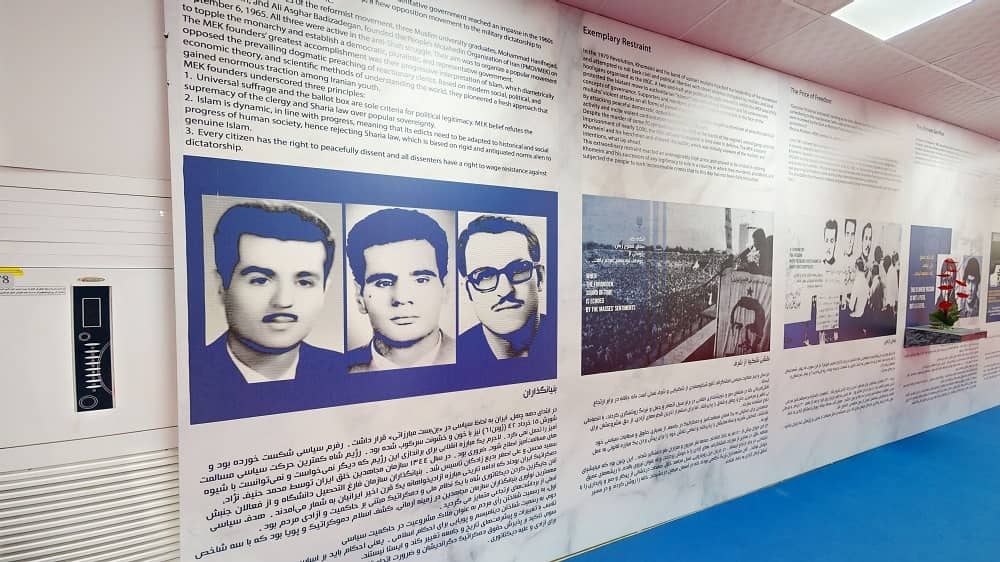
The Exhibit of the People’s Mojahedin Organization of Iran’s Founders
A section of the Museum of the Iranian Resistance in Ashraf 3 is dedicated to the founding of the People’s Mojahedin Organization of Iran (PMOI/MEK). Through all its ups and downs, it serves as a reminder of the seed sown on the very first day by the organization’s founders, which has now grown into a mighty tree with vast branches spanning the entire world. On September 6, 1965, the People’s Mojahedin Organization of Iran was founded by its great founders Mohammad Hanifnejad, Saeed Mohsen, and Asghar Badizadegan. At a time when traditional and passive methods of struggle in Iran had reached a dead end and the dictatorship of the Shah had stifled every breath, all claimants had either surrendered to compromise with the Shah’s regime, become indifferent in pursuit of their own lives, or succumbed to the dominance of SAVAK. However, the great founders of the Mojahedin, Mohammad Hanifnejad and his comrades, Saeed Mohsen and Asghar Badizadegan, established the PMOI/MEK. They analyzed the experiences of past national and freedom-seeking struggles of the Iranian people and, for the first time in Iran’s history, founded a organization based on true Islam—rejecting all reactionary interpretations of Islam. Their approach relied on dedicated, professional revolutionaries ready to make the ultimate sacrifice. Due to his extensive activities, Hanifnejad was arrested by the Shah’s SAVAK two days before the fraudulent referendum in February 1963. While in prison, he wrote political analyses and developed new ideological perspectives, sending them to his friends outside. After his release, and amidst the bloody suppression of the June 5, 1963 uprising, Hanifnejad and his friend Saeed Mohsen studied Iranian movements and struggles—particularly the methods of Iran’s political parties and the reasons for their failures. They concluded that the primary cause of past failures was the absence of a competent leadership—one equipped with the knowledge of struggle, a revolutionary theory, and readiness for both action and sacrifice. In mid-September 1965, Mohammad Hanifnejad, Saeed Mohsen, and Asghar Badizadegan laid the foundation of the PMOI/MEK. With a novel and creative understanding of monotheism and Islam—free from reactionary and exploitative interpretations—Mohammad Hanifnejad studied the Qur’an and Nahj al-Balagha as the most authentic sources of ideology and a guide for action, explaining their concepts in depth. With the same dedication, he also studied various philosophical, social, and revolutionary schools of thought. For Hanifnejad, solving the problems of humanity—especially contemporary humans and the suffering, exploited people of Iran—was crucial. He believed that any idea guiding humanity toward progress and any doctrine freeing the enslaved must be embraced, utilizing the achievements of others. Hanifnejad believed that a person’s duty is not just to understand society but to change it toward progress. His sense of responsibility toward the oppressed and exploited drove him to action. He firmly held that if an intellectual or a fighter is not with the people and among them—if they spend years studying and thinking in isolation—they will never bring about the slightest change in society. At that time, the dominant perception was that being revolutionary meant being anti-God and anti-religion, while believing in Islam meant defending exploitation and the ruling classes. But Mohammad Hanifnejad presented a new formula, declaring: “The primary dividing line in socio-economic issues is not between those who believe in God and those who do not, but between the exploited and the exploiters.” Hanifnejad played a pivotal role in shaping the PMOI/MEK’s ideological discussions. His brilliance and historical significance stem from the fact that a small group, without any resources, took such a monumental historic step. Over the years, despite countless conspiracies and attacks from both the Shah’s and the clerical regime, the PMOI/MEK has endured. With the sacrifice of 120,000 martyrs for Iran’s freedom, it has survived the most severe political, military, ideological, and organizational storms and emerged even more powerful and determined—a beacon of hope for the future of the Iranian people. Loyalty to the ideal of freedom and selfless sacrifice for the liberation of the Iranian people is the key to the PMOI/MEK’s endurance since its founding on September 6, 1965. The organization stands today as the backbone of a steadfast resistance and coalition for Iran’s liberation.
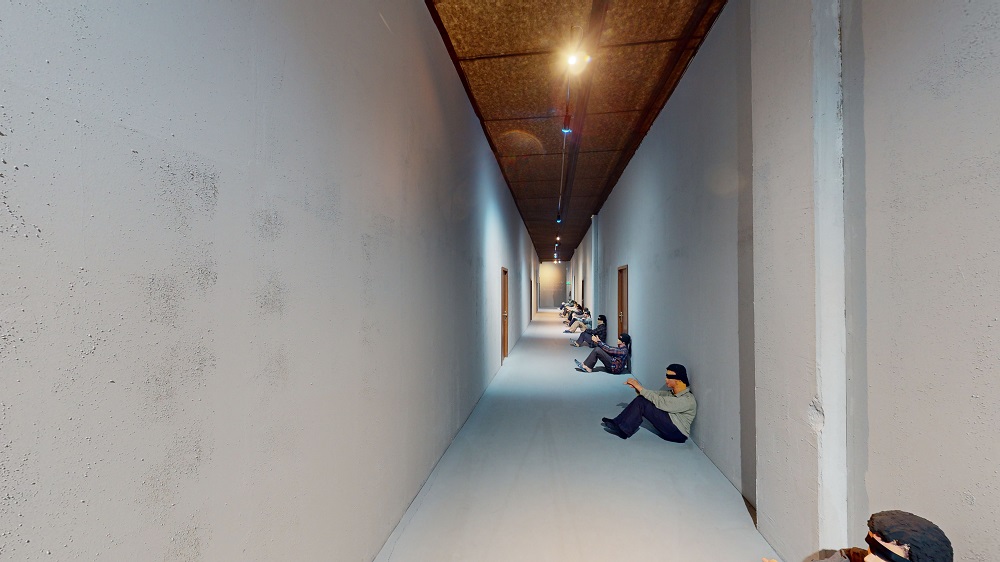
Replica of the “Death Corridor” in Gohardasht Prison
In the Virtual Museum of the Iranian Resistance, located in Ashraf 3, a replica of Gohardasht Prison, including the Death Corridor, is on display. This model was built by members of the People’s Mojahedin Organization of Iran (PMOI/MEK) who were themselves imprisoned in Gohardasht, and images of it can be viewed in the online museum. The Death Corridor refers to a hallway in Gohardasht Prison in Karaj, where political prisoners were led during the 1988 massacre for meeting the death committee and then execution. This name was given to the corridor by political prisoners of the 1980s due to the bloody fate that awaited those returning from the Death Commission. In this corridor, prisoners were made to sit in complete silence, blindfolded, and spaced one to one and a half meters apart, waiting to be summoned before the commission. Mohammad Zand, a political prisoner and a witness to the 1988 massacre, testified: “In August 1988, we were transferred in groups to a corridor that later became known as the Death Corridor. Blindfolded and in absolute silence, we waited for our turn to stand before the Death Commission. The sound of footsteps and occasional moans from afar created a terrifying atmosphere.” Hassan Ashrafian, another political prisoner and survivor of the 1988 massacre in Gohardasht Prison, stated: “In the Death Corridor, you could hear the sounds of beatings inflicted on those being taken to the execution site. In addition to psychological torture, prisoners were subjected to constant threats and physical assaults, placing them in a horrifying situation.” To learn more about this part of history and to see the replica of Gohardasht Prison and the Death Corridor, you can visit the Online Museum of the Iranian Resistance. This virtual museum is accessible online and is dedicated to documenting various aspects of the Iranian people’s struggle for freedom.
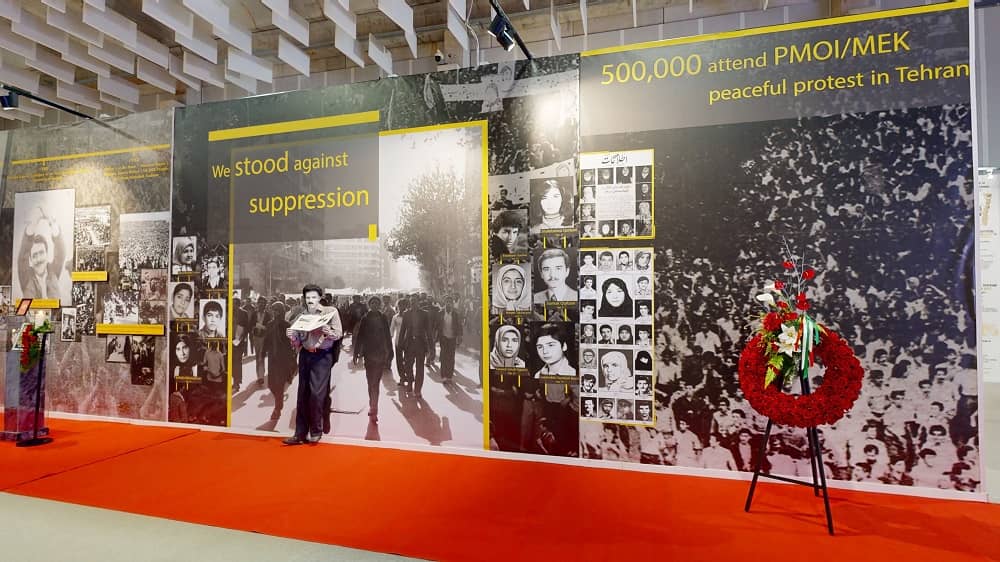
June 20, 1981, Demonstration
The June 20, 1981, demonstration is one of the most significant events in Iran’s contemporary history, deeply impacting the country’s political and social developments. A section named “June 20” exists in the Iran Resistance Museum to commemorate this event. On this day, the People’s Mojahedin Organization of Iran (PMOI/MEK), after two and a half years of peaceful political activity, called for a nationwide demonstration in protest against the suppression of freedoms by the ruling government. In response to this call, approximately 500,000 people took to the streets of Tehran. The demonstration took place under the rule of the Islamic Republic, led by Khomeini, which tolerated no opposition. During the peaceful protests of June 20, dozens of people in Tehran and other cities were killed by government forces, and tens of thousands were arrested and sent to prisons. A significant number of women also participated in the protests, playing a crucial role; many of them were killed, arrested, or executed. The demonstration began at 4 p.m. on Mossadegh Street between Enghelab and Taleghani Streets, with a massive crowd marching forward. This event marked a turning point in Iran’s modern history, occurring just two and a half years after the revolution that overthrew the monarchy, highlighting widespread dissatisfaction with the new regime. The sheer number of demonstrators—estimated in the millions—alarmed the ruling authorities, particularly Khomeini, who sought to suppress the movement by any means necessary. As a result, he declared martial law and ordered an attack on unarmed demonstrators, leading to the deaths of dozens of young protesters and the arrests of tens of thousands in Tehran and other cities. This protest spread across multiple cities, including Tehran, Isfahan, Tabriz, Shiraz, Mashhad, Ahvaz, Arak, Zahedan, Sari, Sanandaj, Hamedan, Bandar Abbas, and Urmia. Eyewitnesses reported a massive turnout and violent crackdowns by government forces. Photographs from that day show a vast crowd holding placards and chanting slogans in support of freedom and democracy—powerful testimony to the determination of a people demanding change and reform. The day after the June 20 demonstration, the clerical regime launched a widespread crackdown, arresting and executing MEK supporters in large numbers. State media published images of young girls, announcing that they had been executed without their identities being verified, and called on their families to collect their bodies by presenting identification documents. Thus began the 1980s massacre, as the clerical regime engaged in mass executions in an attempt to eliminate its primary opposition—the People’s Mojahedin Organization of Iran. The June 20, 1981, demonstration remains a symbol of resistance against oppression and dictatorship, serving as a reminder of the importance of striving for freedom and justice in society.
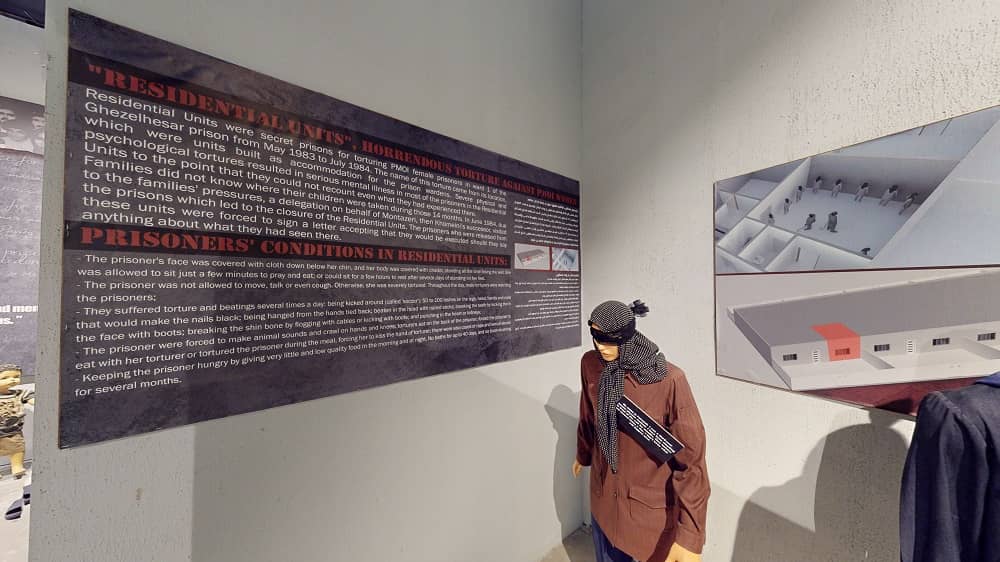
Residential Unit: A Hidden Hell in Iran’s Prisons
At the Museum of Iranian Resistance, a replica of Iran’s prisons has been created to showcase the brutal torture methods used by the regime against political prisoners, particularly women. One of the most ruthless torture sites was the Residential Unit in Ghezel Hesar Prison, designed to break the spirit of resistant and Mujahedin women. This article examines the torture methods used in the Residential Unit and presents the firsthand testimony of Homa Jaberi, one of the survivors of this hell. Residential Unit: A Hidden Torture Chamber The Residential Unit was a secret torture chamber established by the Iranian regime after failing to break female prisoners through traditional methods such as solitary confinement and physical torture. Prisoners were secretly transferred there, and their families had no knowledge of their whereabouts, leading many to search for their loved ones across different cities. Only Asadollah Lajevardi, the notorious executioner of Evin Prison, and his torturers had access to this facility. Inside, prisoners were subjected to brutal physical and psychological torture, often kept in complete isolation. Testimony of Homa Jaberi: A Survivor’s Account Homa Jaberi, a survivor of the savage tortures in the Residential Unit, recounts her ordeal: “I am Homa Jaberi, and I spent five and a half years in the prisons of the mullahs’ regime. I have documented my experiences in a book, and here, I will summarize what I went through. On June 20, 1981, when I was 18, I was arrested during a 500,000-strong Mujahedin demonstration in Tehran and transferred to Evin Prison. I spent two years in Evin before being moved to Gohardasht Prison. The Iranian regime, inherently misogynistic and particularly hostile toward Mujahedin women, resorted to creating a secret torture chamber called the Residential Unit in Ghezel Hesar Prison after failing to break women through conventional torture and solitary confinement. Families had no information about their children’s whereabouts and searched for them in various cities. Only Lajevardi and his torturers had access to this chamber. I was transferred to the Residential Unit along with some of my friends. The torture began immediately upon transfer. The torturers beat us with fists, kicks, and cables inside the vehicle. When we arrived, they threw us out of the car. The beatings were so severe that we couldn’t stand and kept collapsing. They then dragged us into a room, blindfolded us with thick cloths to completely cover our faces, and the torture began. They said, ‘Tonight, we will kill you.’ They kicked us like soccer balls. Suddenly, a heavy blow struck my heart, and I screamed in pain before collapsing. But screaming was considered a crime, and anyone who screamed was tortured even more severely. This continued until midnight. My face was swollen, and my hands were paralyzed from the cable blows. Then Lajevardi came and said: ‘This is the end of the road for you. This is your hell. No one hears you. Scream all you want, but we will finish you here.’ For three days, we stood facing the wall without rest, tortured to the point of delirium. On the third day, I lost consciousness.” Life in the Residential Unit: An Endless Nightmare In the Residential Unit, the torturers remained in the same room 24/7. Prisoners were not allowed to rest and were forced to stand still, blindfolded, facing the wall. Homa Jaberi recalls: “I spent 40 days under these conditions. Some before me endured this for six months to a year. No sound was allowed—coughing or sneezing was a crime and resulted in further torture. Every order was enforced with cables, punches, and kicks. If we received a cable lash, it meant we might get an hour of sleep a few days later. Several times a day, the torturers played loud religious chants and elegies before attacking us with punches and kicks. Even during prayer or meals, they would kick us hard in the ribs and slam us against the wall.” Transfer to Evin Prison: Continuing the Suffering After 40 days, Homa was transferred to Evin Prison. There, she saw many of her fellow prisoners again—after more than a year of separation, they were completely broken, both mentally and physically. “Those who survived the Residential Unit had endured such extreme psychological torture that they couldn’t even describe what had happened to them. Some said they were forced to behave like animals and make animal noises.” Many of the women from the Residential Unit were executed during the 1988 massacre, including Farangis Mohammad Rahimi, Shokar Mohammadzadeh, Ashraf Fadaei, and Tahmineh Sotoudeh. Conclusion The Residential Unit was one of the most barbaric torture sites of the Iranian regime, designed to crush the spirit of resistant Mujahedin women. The testimonies of survivors like Homa Jaberi stand as evidence of the regime’s crimes against humanity. However, what remains is the resilience and resistance of these women, who, even in the darkest moments, held on to the light of hope.

The Exhibit of 120,000 Martyrs of Freedom
A section of the Iranian Resistance Museum is dedicated to the 120,000 martyrs of freedom—many of whom remain unnamed, executed in mass killings, and buried in unmarked graves. Since 1981, the Iranian Resistance has sacrificed over 120,000 martyrs, marking a proud chapter in the history of its struggle. These martyrs, primarily members and supporters of the People’s Mojahedin Organization of Iran (PMOI/MEK), symbolize resilience and defiance against the oppression and tyranny of the ruling regime in Iran. On June 20, 1981, a peaceful demonstration with a massive presence of PMOI supporters took place in Tehran, protesting the suppression of freedoms. However, the government forces violently cracked down on the protesters. Acting on a direct order from Khomeini, which was broadcast on the radio, security forces opened fire on the demonstrators, revealing the regime’s brutal nature and its willingness to commit any crime to maintain power. Following the June 20 protest, the regime launched a widespread wave of executions against PMOI members and supporters. Thousands were arrested across the country and executed without trial. The regime even showed no mercy to women and young girls. For instance, on the day after the demonstration, the state-run Kayhan newspaper published photos of several young female PMOI supporters who had been arrested, announcing that their families should visit the prosecutor’s office with their identification documents. In other words, the regime had executed young girls who were arrested simply for distributing PMOI newspapers in the streets, without even knowing their names. In the summer of 1988, the clerical regime committed one of the most horrifying crimes in Iran’s modern history. Over several months, around 30,000 political prisoners—most of them PMOI members and supporters—were mass-executed in prisons across the country. This massacre, carried out based on a direct fatwa from the regime’s then-leader, Ruhollah Khomeini, demonstrated the regime’s extreme brutality in crushing dissent. In addition to mass executions, a significant number of PMOI members and supporters lost their lives in various operations inside the country and along the borders. These individuals, driven by their belief in freedom and justice, stood against the regime’s oppressive forces and sacrificed their lives for a brighter future for Iran. The suppression and execution of dissidents in Iran were not limited to the 1980s. The clerical regime has continued its systematic repression in the following decades. Reports indicate that during protests and uprisings in 2017, 2019, and 2022, a significant number of Iranian youth were killed by the regime’s oppressive forces. Among the martyrs of the Iranian Resistance, courageous women have played a significant role. Many stood firm against the regime with bravery and resilience, sacrificing their lives for freedom. While the execution and killing of women by the clerical regime expose its cruelty, they also represent a golden chapter in the history of Iranian women’s struggle against oppression, discrimination, and inequality. These women gave up everything for the freedom of the Iranian people, never surrendering even in the harshest conditions, keeping the torch of freedom burning with their sacrifices. The martyrs of the Iranian Resistance have proven that the ideals of freedom and justice are worth standing and sacrificing for. With their blood, they have nurtured the tree of resistance and paved the way for future generations. The memory of these heroes remains alive in Iran’s history, serving as an inspiration for future struggles toward freedom and democracy.
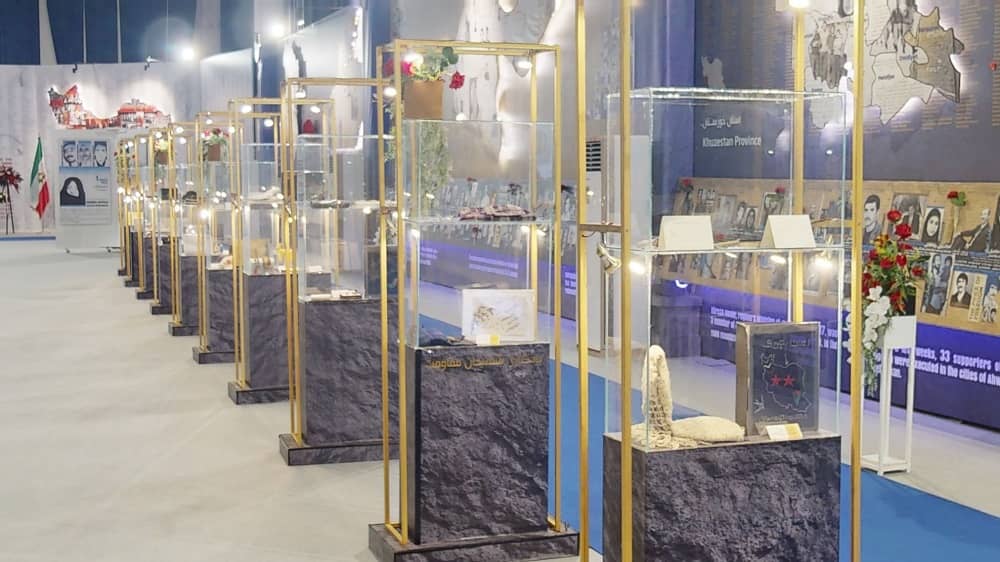
Mementos and Personal Belongings of the Martyrs
In the Museum of Iranian Resistance in Ashraf 3, a special section is dedicated to the mementos left behind by the martyrs of the resistance. These items serve as a source of inspiration for future generations in the pursuit of freedom and justice. The personal belongings and keepsakes of the martyrs of the People’s Mojahedin Organization of Iran (PMOI/MEK) play a vital role in keeping their memory alive and passing on their values of struggle to future generations. These artifacts not only reveal personal aspects of the martyrs’ lives, but they also symbolize their resistance against oppression and serve as an inspiration for future generations in their fight for freedom and justice. In the Museum of Iranian Resistance in Ashraf 3, located in Albania, personal items of the martyrs—such as watches, shirts, handcrafted items made by prisoners, and gifts given by the martyrs or their families to the PMOI/MEK—are on display. Additionally, handwritten letters and other mementos of the resistance martyrs are preserved in this collection. These letters and writings are among the most precious keepsakes, as they reflect the thoughts, emotions, and aspirations of the martyrs. The mementos of the martyrs were donated to the PMOI/MEK by their families and friends. These items were first exhibited in the Ashraf 1 Museum. Unfortunately, a large number of these keepsakes were destroyed during the bombing of Camp Ashraf by U.S. forces and the subsequent transfer of the Mojahedin from Ashraf 1 to Camp Liberty.
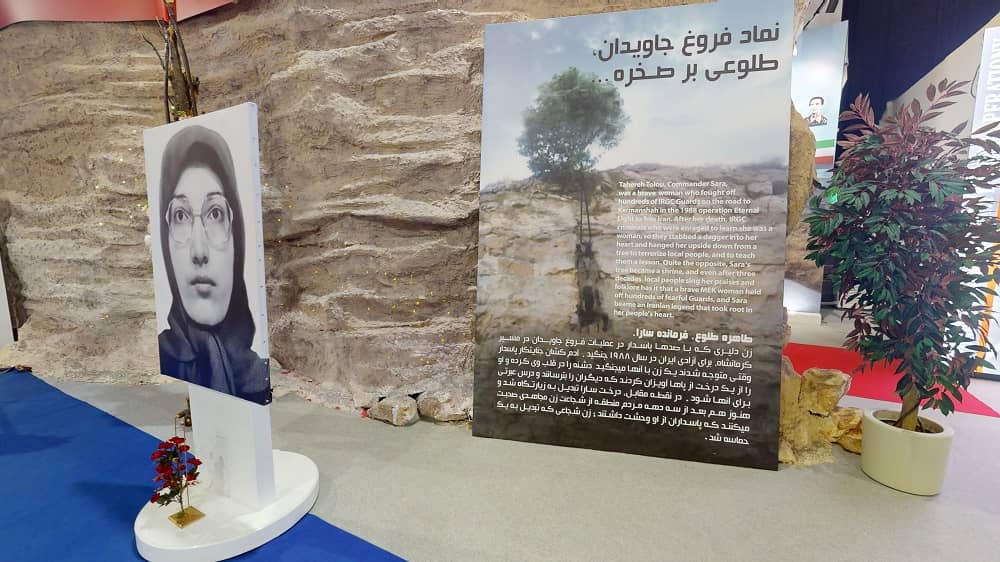
Eternal Light Exhibit – Tahereh Tolou
In the Museum of Resistance in Ashraf 3, a section is dedicated to the Eternal Light Operation. This section showcases scenes from this historic battle and honors the heroes who sacrificed their lives during the operation. Among these scenes is the heroic martyrdom of Tahereh Tolou Bidokhti, known as Commander Sara. Tahereh Tolou Bidokhti, widely known as Commander Sara, was born in 1960 in Damghan. She was a civil engineering student in Shahroud and joined political activities during the anti-monarchical revolution. After the revolution, in 1979, she became a member of the People’s Mojahedin Organization of Iran (PMOI/MEK) and continued her activism within student and employee committees of the organization in Tehran. As the clerical regime began its crackdown on the PMOI, Tahereh went underground and took responsibility for leading two resistance cells. In 1982, she was sent abroad and worked for a period at the central office of the Union of Muslim Student Associations in France. She was also one of the organization’s representatives in France, Germany, and Sweden. Tahereh Tolou participated in the Eternal Light Operation, where she engaged in direct combat against the forces of the clerical regime. After sustaining severe injuries, she was captured and brutally executed. The image of her hanging body at Hassanabad Pass became a symbol of the martyrs of this epic battle. This image left a profound impact on the local population, who praised her bravery and sacrifice. The tree from which Tahereh Tolou’s body was hung became a symbol of the courage of PMOI women fighting for Iran’s freedom. However, the clerical regime later cut down the tree in an attempt to erase this symbol. Tahereh Tolou remains an example of the courageous women who gave their lives for freedom and justice. Her memory will forever be honored in the history of the Iranian people’s struggle. .